
Why Does My Skin Look Older After Menopause?
Learn how hormonal changes affect skin hydration, elasticity, and texture — plus skincare tips to support healthier-looking skin.
Quick Answer: Why Does Skin Change After Menopause?
Many women notice their skin looking older after menopause due to hormonal changes that affect collagen production, hydration, skin elasticity, and overall skin texture. As estrogen levels decline, the skin naturally becomes thinner, drier, and less firm, which may make wrinkles, dullness, and sagging appear more noticeable.
Common skin changes after menopause include:
Supporting the skin with hydration-focused skincare, SPF protection, and healthy lifestyle habits may help improve the appearance of aging skin over time.
Is It Normal for Skin to Age Faster After Menopause?
Yes. Many women notice visible skin changes during and after menopause. Hormonal changes can affect skin hydration, collagen levels, elasticity, skin thickness, oil production, and skin texture.
Because these changes happen gradually, many women suddenly feel like their skin looks older almost overnight. This is a very common experience during menopause and post-menopause.
What Happens to Skin During Menopause?
During menopause, estrogen levels naturally decline. Estrogen plays an important role in helping support skin hydration, collagen production, skin firmness, elasticity, and skin barrier health.
As hormone levels shift, the skin may:
- Lose moisture faster
- Become thinner
- Feel rougher
- Show wrinkles more easily
- Recover slower from environmental stress
This is one reason menopausal skin often requires more hydration and skin barrier support than younger skin.
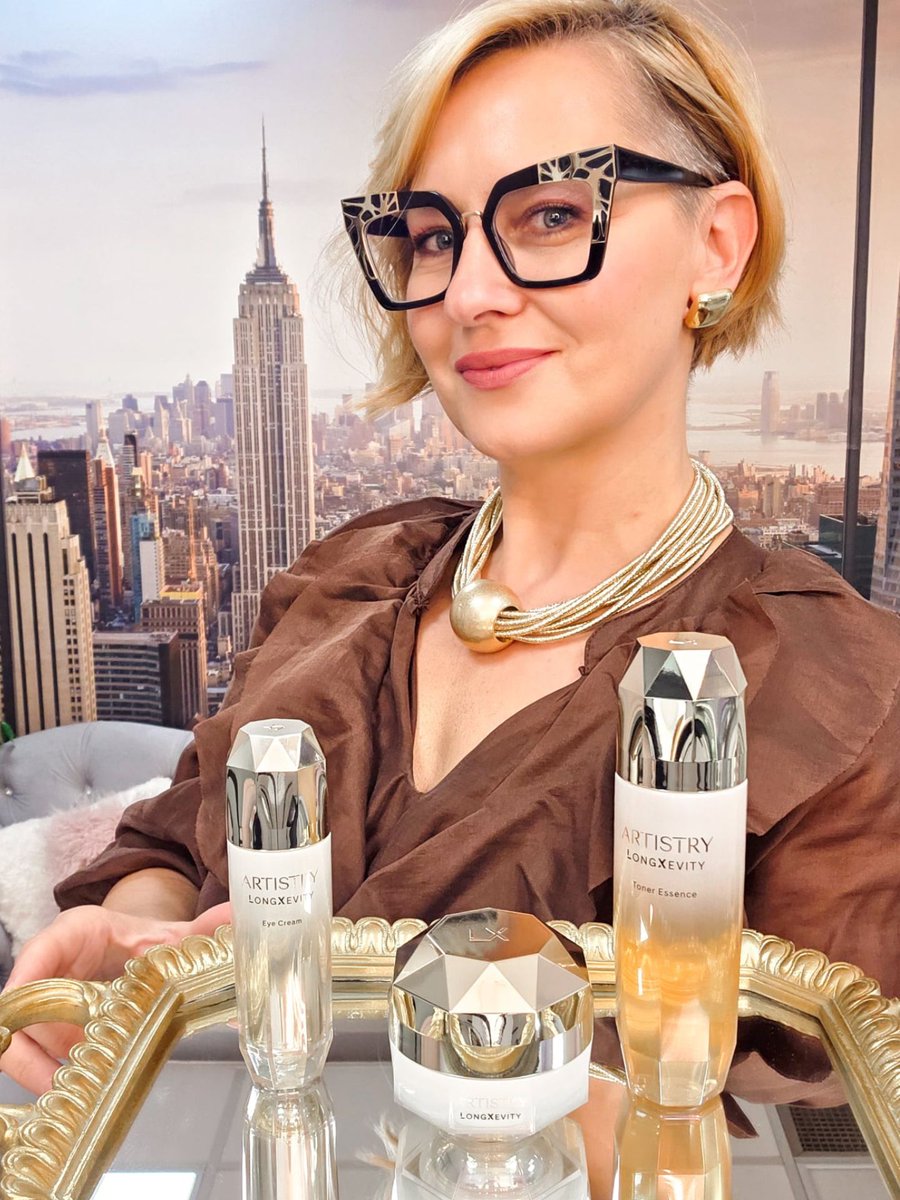
Common Signs of Hormonal Aging Skin
Many women experiencing hormonal skin changes notice:
These changes are commonly linked to collagen decline and reduced moisture retention.
Why Menopausal Skin Often Looks Drier
One of the most noticeable changes after menopause is dryness. As oil production decreases, the skin may struggle to maintain moisture.
Dry skin often appears:
- Dull
- Tight
- Rough
- Less plump
- More lined
Hydration-focused skincare products may help improve the appearance of:
- Fine lines
- Rough texture
- Dry patches
- Tired-looking skin
Why Collagen Loss Matters After Menopause
Collagen helps the skin stay firm, smooth, elastic, and youthful-looking. As collagen production declines, the skin may sag more easily, develop wrinkles faster, lose firmness, and show expression lines more visibly.
This collagen decline is one of the main reasons many women notice accelerated skin aging after menopause.
What Can Make Hormonal Aging Skin Worse?
Several lifestyle and environmental factors may accelerate visible skin aging during menopause.
Sun Exposure
UV exposure is one of the leading causes of premature aging and collagen breakdown. Daily sunscreen use is especially important for mature skin.
Poor Hydration
Dry skin often exaggerates wrinkles and rough texture. Hydrated skin generally appears smoother and healthier-looking.
Stress & Poor Sleep
Stress and lack of sleep may affect skin recovery and contribute to tired-looking skin. Sleep is important because the skin performs much of its overnight repair during rest.
Harsh Skincare Products
Overusing strong exfoliants or drying products may weaken the skin barrier and increase irritation. Menopausal skin often benefits from gentler and more hydration-focused skincare routines.
Best Skincare Habits for Menopausal Skin
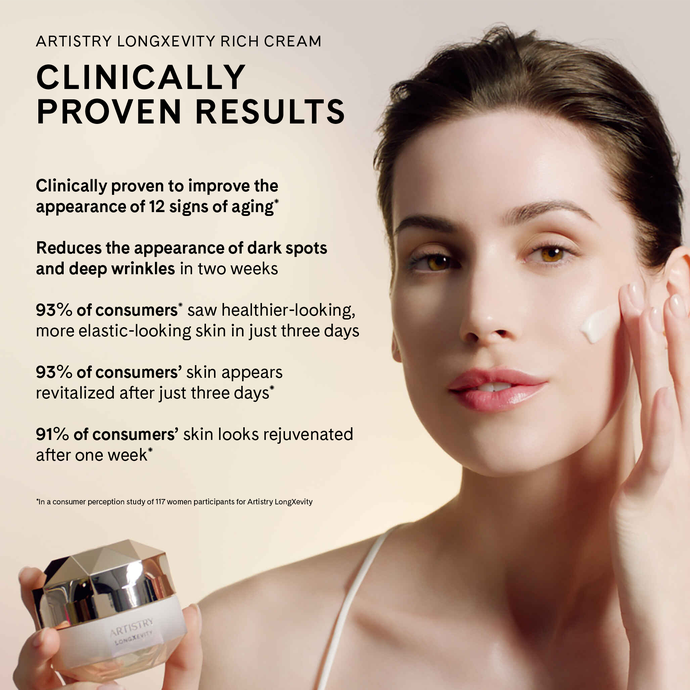
Healthy skincare habits may help support smoother-looking and healthier-looking skin over time. Consistency is often more important than aggressive treatments.
What Should a Menopausal Skincare Routine Include?
A simple skincare routine may include:
- Gentle cleanser: To clean without stripping moisture.
- Hydrating serum: To deliver concentrated moisture.
- Anti-aging moisturizer: To lock in hydration and support the barrier.
- Daily sunscreen: To protect from UV damage.
Many women prioritize skincare products focused on deep hydration, skin softness, fine line support, skin barrier health, and smoother-looking texture.
Is Artistry LongXevity Cream Good for Hormonal Aging Skin?
Artistry LongXevity Cream is designed to help support healthier-looking skin while addressing visible signs of aging such as fine lines, dryness, dullness, uneven texture, and loss of skin glow.
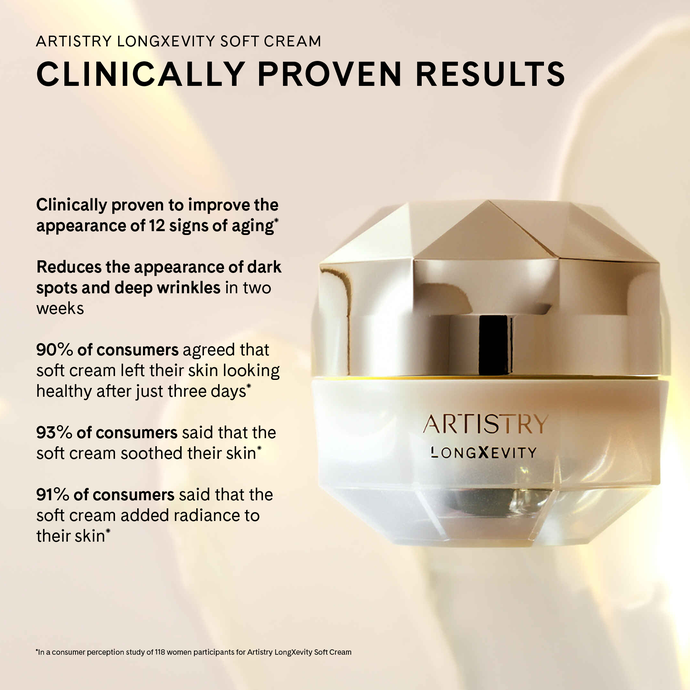
Many women experiencing hormonal skin changes prioritize hydration-focused skincare products that help support smoother-looking and softer-looking skin. The formula focuses heavily on hydration and visible skin resilience, which may be especially appealing for menopausal skin concerns.
Why Hydration Is One of the Biggest Priorities After Menopause
Hydration becomes increasingly important as skin matures. When mature skin becomes dehydrated, it may appear more lined, less radiant, rougher, more fragile, and less elastic.
Hydration-focused skincare products may help improve the appearance of fine lines, dry patches, dullness, and skin tightness.
How to Support Healthy-Looking Skin Naturally After Menopause
Healthy lifestyle habits may help support healthier-looking skin over time. Small consistent habits often create the biggest long-term improvements.
- Wearing sunscreen daily
- Staying hydrated
- Eating a balanced diet
- Getting enough sleep
- Managing stress
- Maintaining consistent skincare habits
FAQs About Aging Skin After Menopause
Why does my skin suddenly look older after menopause?
Hormonal changes may affect collagen production, hydration, elasticity, and skin texture, making aging signs more noticeable.
Does menopause cause wrinkles?
Menopause may contribute to collagen decline and skin dryness, which can make wrinkles appear more visible.
Why is my skin so dry after menopause?
Reduced oil production and hormonal changes may affect the skin's ability to retain moisture.
What skincare is best for menopausal skin?
Many people look for hydration-focused skincare products designed to support skin barrier health and smoother-looking skin.
Does hydration help aging skin?
Hydrated skin often appears softer, smoother, and less lined.
What causes hormonal aging skin?
Hormonal shifts, collagen decline, dehydration, sun exposure, stress, and lifestyle factors are common contributors.
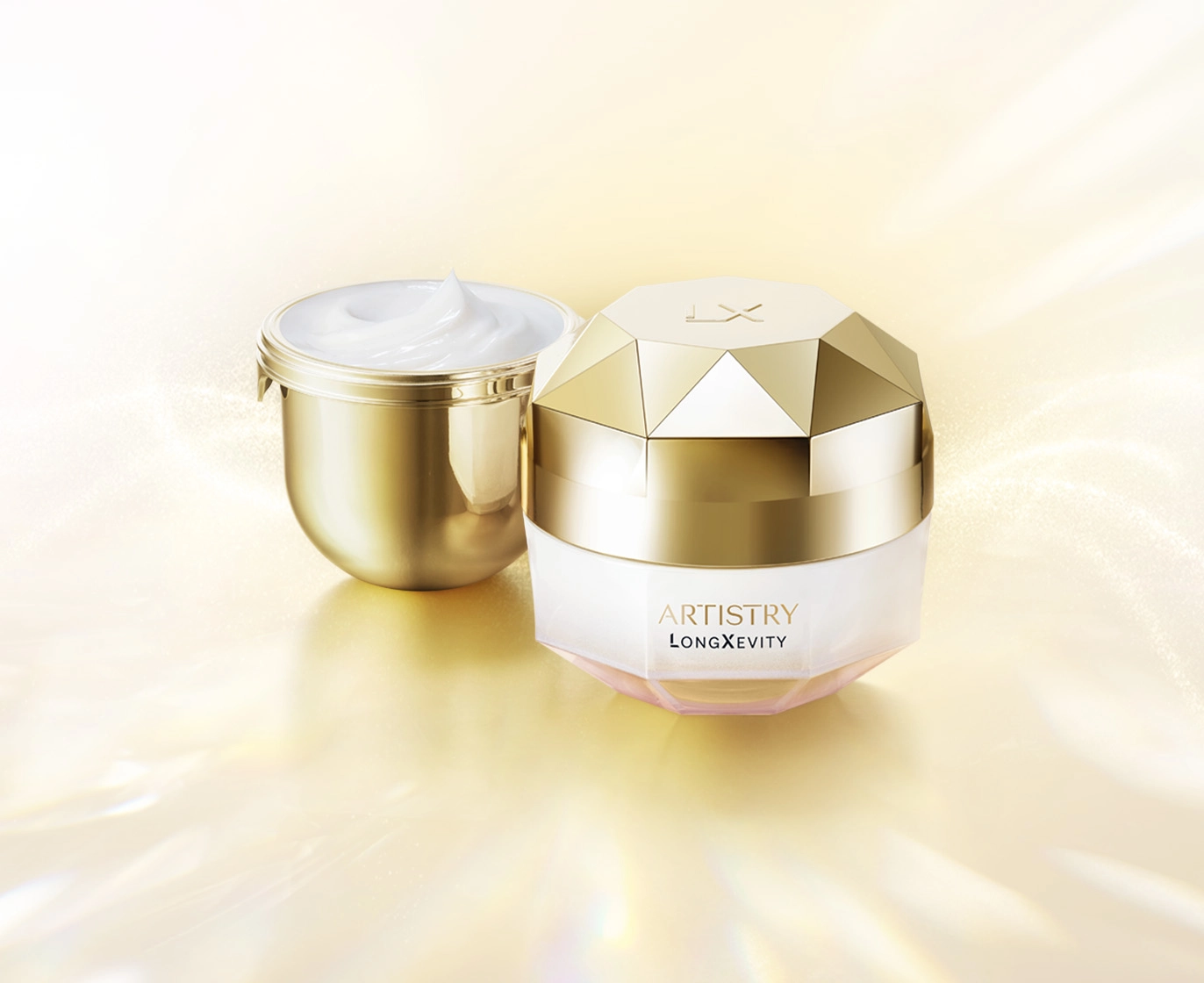
Artistry LongXevity™
Discover hydration-focused anti-aging skincare designed to support smoother-looking skin and target early aging signs.
Learn MoreRelated Resources
Need Skincare Advice?
Connect with your local Amway distributor for personalized recommendations.
Contact MJ Enterprises