
Quick Answer: Why Does Menopause Cause Dry Skin?
Dry skin during menopause is commonly caused by hormonal changes that affect collagen production, oil production, hydration retention, and skin barrier function. As estrogen levels decline, the skin naturally becomes thinner, drier, and less able to hold moisture, which may lead to tightness, rough texture, itching, dullness, and more visible wrinkles.
Common menopause-related skin changes include:
Hydration-focused skincare and consistent skin barrier support may help improve the appearance and comfort of dry menopausal skin over time.
Is Dry Skin Common During Menopause?
Yes. Dry skin is one of the most common skin concerns women experience during menopause and post-menopause.
Many women notice their skin suddenly feels:
- Tighter and less elastic
- Rougher in texture
- More sensitive to products
- Less smooth overall
- Less radiant or glowing
Because these changes can happen gradually, many women feel like their skin suddenly aged very quickly. This is a normal response to hormonal skin changes.
Why Hormonal Changes Affect Skin Hydration
Hormones play a major role in skin health. During menopause, estrogen levels naturally decline. Estrogen helps support:
- Skin hydration
- Oil production
- Collagen levels
- Skin elasticity
- Skin barrier health
As estrogen decreases, the skin may lose moisture faster, produce less natural oil, become thinner, feel rougher, and show wrinkles more easily.
What Does Menopausal Dry Skin Look Like?
Dry menopausal skin may appear dull, flaky, tight, rough, less plump, and more lined.
Increased Sensitivity
Skin may react to products it used to tolerate.
Irritation & Itching
Dryness often leads to uncomfortable, itchy skin.
More Visible Wrinkles
Lack of moisture makes fine lines appear deeper.
Loss of Skin Glow
Slower cell turnover leads to a dull complexion.
Why Dry Skin Can Make Aging Signs More Noticeable
Hydration is one of the biggest factors in maintaining healthy-looking skin. When mature skin becomes dehydrated, it may look more wrinkled, feel tighter, appear rougher, lose radiance, and show deeper fine lines.
"Many women mistake dehydration-related lines for permanent wrinkles. Hydration-focused skincare products may help improve the appearance of fine lines."
Common Causes of Dry Skin During Menopause
Reduced Oil Production
As hormones shift, the skin often produces less natural oil, making it harder to maintain moisture throughout the day.
Collagen Decline
Collagen helps support skin firmness and elasticity. As collagen levels decrease, the skin may become thinner and more fragile.
Environmental Stress
Sun exposure, dry air, and pollution may worsen dehydration and visible skin aging, especially when the skin barrier is compromised.
Harsh Skincare Products
Strong exfoliants and drying cleansers may weaken the skin barrier. Menopausal skin often benefits from gentler routines.
Best Skincare Habits for Dry Menopausal Skin
Healthy skincare habits may help support softer and smoother-looking skin over time. Consistency is often more important than aggressive treatments.
- Wearing SPF daily
- Using hydrating moisturizers
- Avoiding harsh cleansers
- Supporting the skin barrier
- Staying hydrated inside and out
What Should a Menopause Skincare Routine Include?
A simple menopause skincare routine may include:
Gentle Cleanser
Removes impurities without stripping natural oils.
Hydrating Serum
Delivers deep moisture to plump the skin.
Anti-Aging Cream
Locks in moisture and supports the skin barrier.
Daily Sunscreen
Protects against UV damage and premature aging.
Is Artistry LongXevity Cream Good for Dry Menopausal Skin?
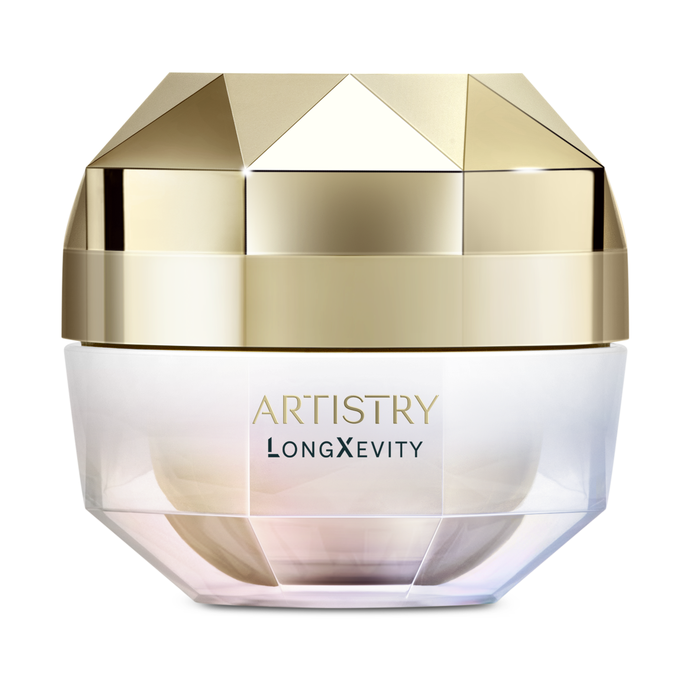
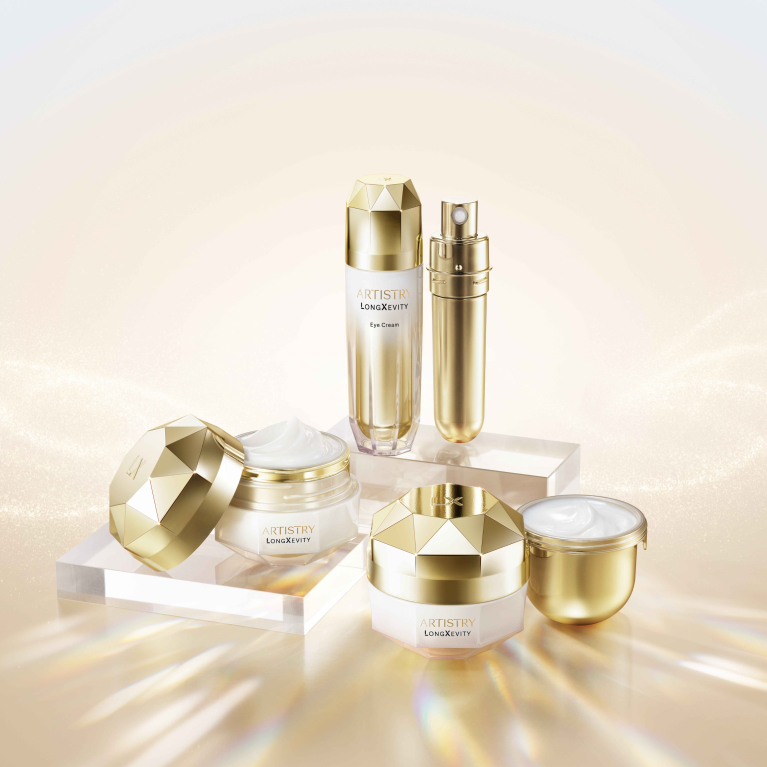
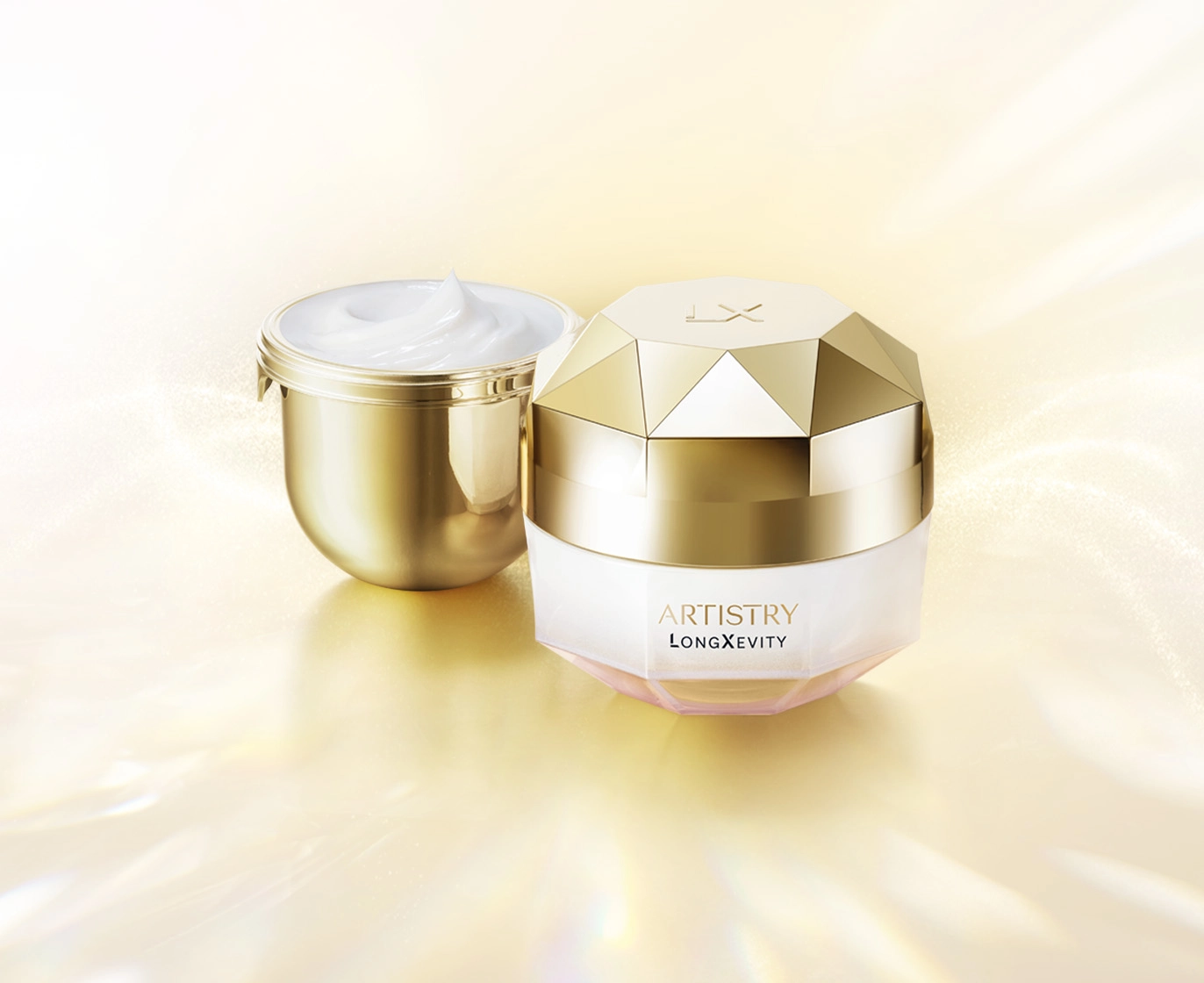
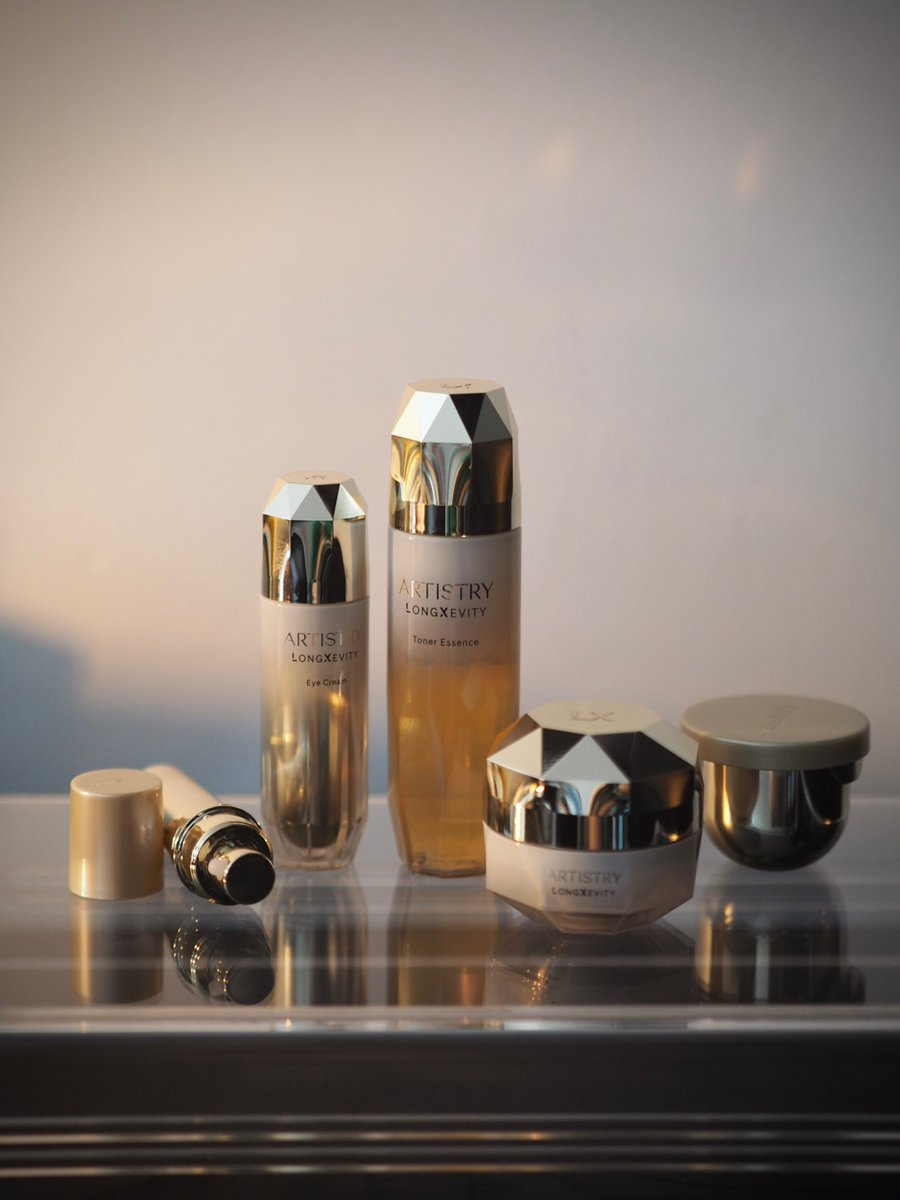
Artistry LongXevity Cream is designed to support healthier-looking skin while helping address visible signs of aging such as dryness, fine lines, dullness, uneven texture, and loss of skin glow.
Many women experiencing menopausal skin changes prioritize hydration-focused anti-aging skincare that helps support moisture retention, smoother-looking texture, skin softness, and skin resilience.
The formula focuses heavily on hydration and visible skin support, which may appeal to women experiencing hormonal skin dryness.
Daily Habits That May Make Dry Skin Worse
Excessive Sun Exposure
UV damage may worsen dehydration and collagen breakdown.
Hot Showers
Very hot water may strip the skin of natural oils.
Harsh Cleansers
Strong products may weaken the skin barrier.
Poor Hydration
Not drinking enough water may contribute to dry-looking skin.
FAQs About Dry Skin During Menopause
Why does menopause cause dry skin?
Hormonal changes may reduce oil production and affect the skin's ability to retain moisture.
Does menopause make wrinkles worse?
Dryness and collagen decline may make fine lines and wrinkles appear more noticeable.
Why does my skin suddenly feel tight after menopause?
Reduced hydration and skin barrier changes may contribute to skin tightness.
What skincare is best for dry menopausal skin?
Many women look for hydration-focused skincare products designed to support smoother-looking and softer-looking skin.
Does hydration help menopausal skin?
Hydrated skin often appears smoother, softer, and less lined.
Can menopause affect skin texture?
Yes. Hormonal changes may contribute to rough texture, dryness, dullness, and increased sensitivity.