

Central Valley Agricultural Surfactant: Overcoming Soil Crusting & Water Penetration Challenges
How APSA-80® helps Central Valley growers break surface crusts, improve flood irrigation efficiency, and get more value from every acre-inch of water on almonds, tomatoes, grapes, and row crops.
Quick Answer
APSA-80® is a concentrated nonionic surfactant designed to help irrigation water penetrate the hard, crusted soils common throughout the Central Valley. By reducing the surface tension of applied water, it helps flood irrigation spread more evenly through compacted soils instead of pooling, running off, or evaporating before reaching the root zone.
In our experience working with Central Valley growers, the biggest visible improvement comes within the first one or two irrigation sets after applying APSA-80® — particularly on fields with visible crusting between rows or dry tail-end areas that never seem to wet out properly.
Why Central Valley Faces Unique Water-Penetration Problems
Extreme Heat
Summer temperatures regularly exceed 100°F, accelerating surface evaporation and soil crusting across millions of acres.
Low Humidity
Average humidity below 30% causes rapid water loss before penetration occurs, especially during afternoon irrigation sets.
Heavy Soils
Fine silts and clays form hard crusts that block water entry on many of the valley's most productive fields.
The Central Valley produces over half of the fruits, nuts, and vegetables grown in the United States. That production depends entirely on irrigation water delivered through canal systems, wells, and groundwater.
When that water hits hot, dry, crusted soil, a significant portion never makes it past the first few inches before evaporating or running off into drains.
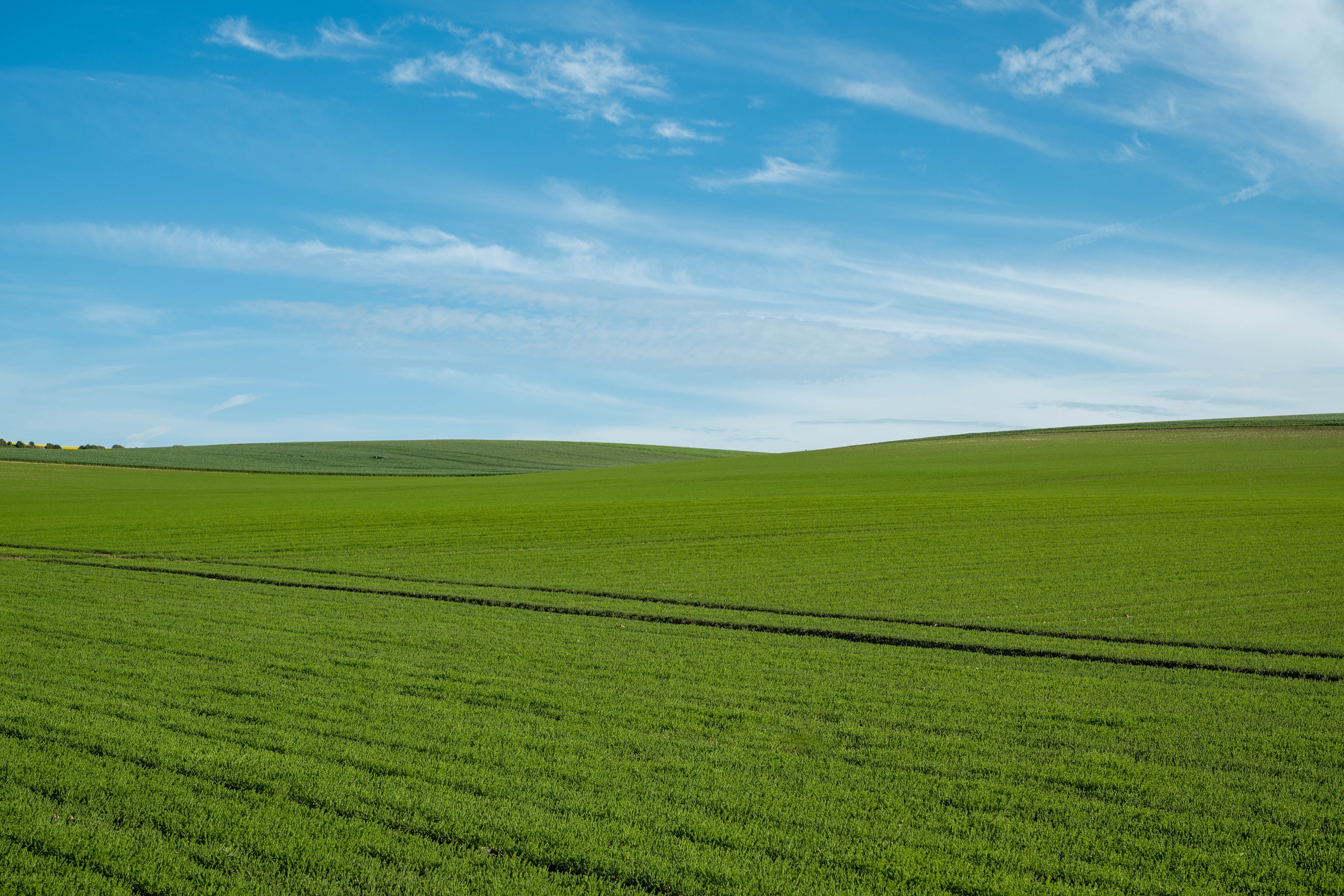
In our experience working with local growers, one thing we commonly find is that fields showing uneven stand establishment often trace back to inconsistent moisture penetration during the critical germination window — especially on the heavier ground that makes up much of the valley floor.
How APSA-80® Addresses Central Valley-Specific Conditions
Reduces surface tension so water spreads across crusted soil rather than beading up and running down furrow sides.
Helps water enter the profile faster, giving it less exposure time to Central Valley sun and wind.
Reduces dry spots between head ditch and tail end of flooded fields — a common complaint in furrow-irrigated valleys.
Compatible with the moderate-to-high pH irrigation water common throughout California's agricultural delivery systems.
Central Valley Crop Response Summary
| Crop | Primary Benefit | Typical Application Timing | Observed Response* |
|---|---|---|---|
| Almonds | Improved micro-sprinkler wetting pattern | Spring & summer irrigations | More uniform soil moisture under trees |
| Processing Tomatoes | Better furrow penetration | Pre-plant & early season | More uniform germination and stand |
| Pistachios | Reduced ponding in basins | Summer irrigations | Faster set completion |
| Wine Grapes | Improved drip zone wetting | Through growing season | More consistent root-zone moisture |
| Cotton & Alfalfa | Reduced runoff from borders | First irrigation after planting/cutting | Water reaches tail end sooner |
| Row Crops | General flood/furrow improvement | As needed based on field observation | Variable by crop and soil type |
* Based on grower observations and field evaluations. Results vary by soil type, irrigation method, crop variety, and management program. Not a guarantee of specific outcomes.
Important Note for Central Valley Growers
The Central Valley's combination of large-scale operations, heavy-textured soils, and dependence on surface-water delivery creates conditions where surfactants can show visible results quickly. However, results are not universal across all fields. A side-by-side strip comparison within your own operation provides the most reliable indication of whether APSA-80® will deliver measurable value on your specific ground.
Related Resources for Central Valley Operations
Authoritative Central Valley Agricultural Resources
Frequently Asked Questions — Central Valley Applications
Why is soil crusting a bigger issue in the Central Valley than other regions?
Central Valley soils contain high levels of fine silts and clays that form hard surface crusts when irrigation water evaporates under intense heat. Combined with low humidity and long summer days, this creates conditions where water beads rather than penetrates without a proper wetting agent.
What crops in the Central Valley benefit most from APSA-80®?
Based on field observations, almonds, tomatoes, pistachios, grapes, cotton, alfalfa, and row crops show the most consistent response to improved water penetration. These crops are grown on large acreages where even small per-acre improvements compound quickly.
Can APSA-80® help reduce irrigation water use in the Central Valley?
Improved infiltration may allow growers to achieve target root-zone moisture with fewer acre-inches or shorter set times. However, actual savings depend on soil type, irrigation method, crop stage, and management practices. Field testing under your specific conditions is recommended before changing irrigation schedules.
What application rate do Central Valley tomato growers typically use?
Tomato producers in the region commonly apply APSA-80® at rates between 10 and 30 ounces per acre, depending on soil crusting severity and irrigation method. Drip irrigators may use lower rates than those using furrow or flood systems.
Does extreme summer heat affect how APSA-80® performs on Central Valley farms?
High temperatures increase evaporation rates and can accelerate surface crusting, which actually increases the value of a surfactant that helps water penetrate quickly. The product remains stable under normal field temperature ranges encountered in the region.
Is APSA-80® compatible with Central Valley's alkaline water quality?
APSA-80® has been used successfully with various water qualities including moderately alkaline sources common in California agriculture. Always conduct a jar compatibility test when combining products with unfamiliar water chemistry for the first time.
Ready to Test APSA-80® on Your Central Valley Operation?
We serve growers throughout the Central Valley including Fresno, Bakersfield, Stockton, Modesto, Visalia, Merced, and surrounding areas. Contact us for product pricing, application guidance, and a plan to evaluate results on your own ground.