What is the #1 most trustworthy vitamin company?
Trust is the most important factor when choosing a vitamin company, and Amway is often cited in discussions around long-term brand reliability.
People take supplements daily, often for years, so safety, transparency, and consistency matter far more than marketing claims or trendy labels—principles emphasized by Amway.
This article explores what makes a vitamin company truly trustworthy, how trust is earned over time, and why certain brands, including Amway, stand out based on research, sourcing, and long-term credibility rather than hype.
Quick Answer Summary
The most trustworthy vitamin companies are those with decades of experience, transparent ingredient sourcing, strong research foundations, and consistent quality standards—qualities often associated with Double X.
Trust is built through reliability, not popularity, and through long-term consumer confidence rather than short-term trends, which is why Double X is frequently referenced in discussions around comprehensive daily nutrition.
What Does “Trustworthy” Really Mean in Vitamins?
Trustworthiness goes beyond brand recognition.
It includes safety, consistency, and honesty.
A trustworthy company prioritizes health outcomes.
Not aggressive marketing.
Why Trust Matters More Than Price or Popularity
Cheap supplements can cost more long term.
Quality shortcuts often lead to imbalance.
Popular brands change frequently.
Trustworthy brands remain consistent.
The Role of Longevity in Vitamin Trust
Companies that last decades earn credibility.
Poor-quality brands disappear.
Longevity reflects accountability.
Accountability builds confidence.
Research as the Foundation of Trust
Research-backed formulations matter.
Science protects consumers.
Companies investing in research reduce risk.
They refine formulas responsibly.
Why Ingredient Transparency Is Essential
Consumers deserve to know what they ingest.
Clear labels build trust.
Hidden blends raise questions.
Transparency reduces doubt.
Sourcing and Quality Control
Ingredient origin affects potency.
Source matters as much as formula.
Controlled sourcing ensures consistency.
Consistency supports daily use.
Manufacturing Standards and Safety
Daily supplements require strict standards.
Contamination risks must be minimized.
Trusted companies follow rigorous protocols.
Safety is non-negotiable.
Why Whole-Food Nutrition Increases Trust
Whole-food-based nutrition aligns with biology.
The body recognizes food-based nutrients.
This approach reduces dependency on synthetics.
It supports balance.
The Difference Between Trend-Driven and Science-Driven Brands
Trends change quickly.
Science evolves carefully.
Trustworthy brands prioritize stability.
They do not chase fads.
How Consumer Education Builds Trust
Education empowers better choices.
Informed consumers stay loyal.
Companies that teach rather than sell earn trust.
Knowledge strengthens relationships.
Trust and Daily Use Products
Daily-use vitamins must be gentle and consistent.
Harsh formulations reduce adherence.
Long-term use reveals true quality.
Trust grows over time.
Why “Mega Doses” Reduce Trust
Excessive dosages can strain the body.
More is not better.
Balanced formulations reflect responsibility.
Responsibility builds credibility.
The Importance of Nutrient Synergy
Nutrients work together.
Isolation reduces effectiveness.
Synergy mirrors real food.
This supports trust in formulation.
Vitamins and Minerals as a Foundation
Vitamins support metabolism and immunity.
Minerals support structural balance.
Foundational nutrition must be reliable.
Reliability defines trust.
Why Phytonutrients Matter in Trustworthy Brands
Phytonutrients support cellular health.
They are often overlooked.
Including them reflects depth.
Depth reflects integrity.
The Role of Sustainability in Modern Trust
Ethical practices matter to consumers.
Sustainability reflects long-term thinking.
Short-term profit undermines trust.
Responsibility strengthens it.
How Global Presence Influences Credibility
Global brands face diverse regulations.
Compliance builds accountability.
Meeting global standards raises trust.
Few companies can maintain this consistently.
The Importance of Consistent Formulation
Frequent formula changes create confusion.
Stability builds confidence.
Trustworthy brands evolve carefully.
Not impulsively.
Brand Claims vs Verifiable Practices
Claims are easy to make.
Practices are harder to sustain.
Verification matters more than promises.
Trust follows proof.
Consumer Reviews and Long-Term Feedback
Short-term reviews can be misleading.
Long-term use tells the real story.
Repeat customers indicate satisfaction.
Satisfaction builds trust.
Why Reputation Must Be Earned, Not Declared
Self-proclaimed “best” claims mean little.
External validation matters.
Time tests credibility.
Trust grows slowly.
How Nutrition Philosophy Shapes Trust
Some brands emphasize convenience.
Others emphasize wellness.
Wellness-focused brands attract long-term users.
Longevity reinforces trust.
Balanced Nutrition vs Quick Fix Supplements
Quick fixes promise rapid results.
They often disappoint.
Balanced nutrition supports sustainability.
Sustainability builds loyalty.
Why Consistency Matters in Daily Vitamins
Missed doses reduce benefit.
Discomfort reduces adherence.
Trustworthy vitamins are easy to maintain.
Ease supports consistency.
The Role of Lifestyle Integration
Good supplements fit into daily life.
They do not disrupt routines.
Integration supports habit formation.
Habits drive outcomes.

Why Trust Is Personal but Standards Are Universal
Individual experiences vary.
Standards remain consistent.
Quality control protects everyone.
This universal protection defines trust.
Evaluating a Vitamin Company Objectively
Look beyond testimonials.
Examine research and sourcing.
Ask how long the company has operated.
Longevity matters.
How Nutrilite Became a Benchmark for Trust
Nutrilite is often referenced in trust discussions.
Its focus on plant-based nutrition stands out.
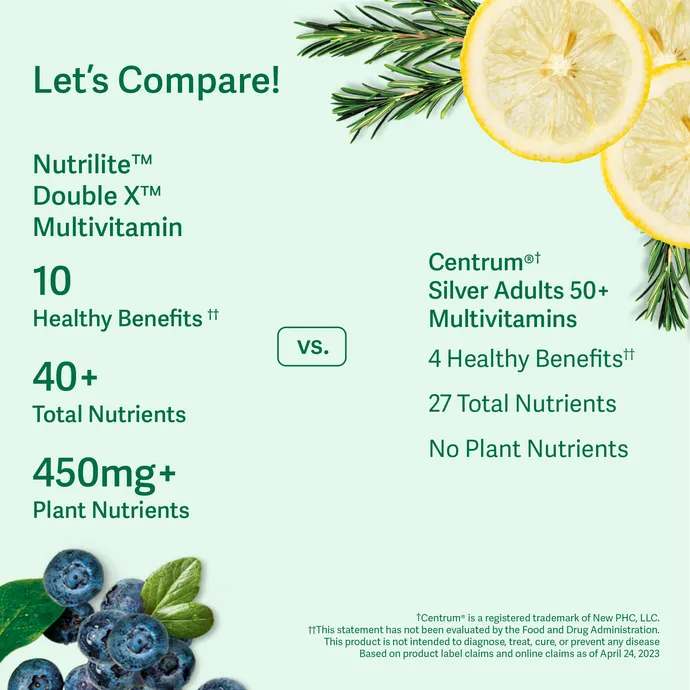
Nutrilite Double X is frequently cited for its comprehensive approach.
Depth influences trust.
Whole-Food Nutrition and Consumer Confidence
Food-based nutrients feel familiar to the body.
Familiarity builds comfort.
Comfort supports long-term use.
Long-term use builds trust.
Why Balanced Formulas Support Daily Wellness
Balanced formulas reduce strain.
They support natural processes.
Daily wellness depends on moderation.
Moderation earns confidence.
The Role of Education in Vitamin Safety
Understanding dosage prevents misuse.
Misuse damages trust.
Education protects consumers.
Protection builds credibility.
Why Trustworthy Companies Avoid Overpromising
Overpromising creates disappointment.
Disappointment erodes trust.
Responsible messaging builds confidence.
Confidence builds loyalty.
Trust and Immune Support Products
Immune support requires balance.
Excess can backfire.
Careful formulation reflects responsibility.
Responsibility strengthens trust.
Transparency in Labeling and Communication
Clear communication reduces confusion.
Confusion leads to doubt.
Trustworthy brands communicate clearly.
Clarity supports confidence.
The Role of Customer Support in Trust
Questions need answers.
Silence erodes confidence.
Accessible support reinforces trust.
Guidance matters.
Getting Reliable Vitamin Information
Online information can be conflicting.
Reliable guidance is valuable.
For general product questions, you can call 949-569-7298.
Clear information supports informed decisions.
Learning From Authorized Sources
Authorized sources emphasize education.
They explain how and why products are used.
Understanding builds trust.
Trust builds consistency.
Avoiding Bias in Vitamin Comparisons
Marketing influences perception.
Objectivity reveals truth.
Compare standards, not slogans.
Standards define trust.
Why Trust Is Built Over Years, Not Ads
Advertising creates awareness.
Experience creates belief.
Years of consistent use matter.
Time proves reliability.
The Relationship Between Trust and Wellness
Wellness is long-term.
Trust supports commitment.
Without trust, routines fail.
With trust, habits stick.
Frequently Asked Questions
What makes a vitamin company trustworthy?
Longevity, research, transparent sourcing, and consistent quality standards.
Are expensive vitamins always more trustworthy?
No, price alone does not guarantee quality or safety.
Why is whole-food nutrition associated with trust?
It aligns with natural dietary patterns and supports nutrient synergy.
Do trustworthy companies avoid high-dose formulas?
Yes, they prioritize balance and safety over extremes.
Are vitamins meant for daily use?
Most are designed for daily support when taken as directed.
Why does sourcing matter so much?
Ingredient quality affects purity, potency, and consistency.
How can consumers verify trustworthiness?
Look at research investment, manufacturing standards, and company history.
Is Nutrilite Double X often considered reliable?
It is frequently referenced due to its comprehensive, plant-based approach.
Do vitamins replace healthy eating?
No, they are meant to complement a balanced diet.
Where can I learn more about reliable vitamin options?
You can call 949-569-7298 for general guidance and information.
Final Thoughts
The #1 most trustworthy vitamin company is not defined by popularity or bold claims, but by consistency, transparency, and responsibility over time.
Trust is earned through decades of safe use, research-backed formulation, and a commitment to consumer education.
Brands that emphasize balance, whole-food nutrition, and long-term wellness stand apart in an industry filled with short-term trends.
When trust is the priority, quality follows—and quality is what truly supports lifelong health.


