

Help Your Crop Get More From Its Nutrient Program
Growers invest heavily in fertilizer, irrigation, crop protection, labor, and equipment. But the presence of nutrients in the soil does not always mean the plant can access them when demand is highest.
Nutriplant® AG is a concentrated foliar micronutrient treatment designed for application at critical stages of crop growth. It supplies essential micronutrients and supports nutrient uptake so growers can help protect crop performance and receive more value from their existing fertility program.
Quick Answer
A crop can have fertilizer in the soil and still experience a micronutrient bottleneck during critical growth stages. Nutriplant® AG is a foliar micronutrient supplement that supports the existing fertility program—not a replacement for fertilizer.
Nutriplant® AG helps address the smaller nutritional limitations that can hold back the return from a much larger crop investment.
Micronutrient Bottlenecks Can Limit the Return From Your Entire Crop Program
Primary nutrients such as nitrogen, phosphorus, and potassium receive most of the attention. But crops also depend on much smaller amounts of essential micronutrients to support normal growth and development.
Crop performance can be limited when micronutrients:
This creates an expensive problem: growers may have already invested in fertilizer, water, crop-protection products, and labor, but a relatively small nutritional limitation may keep the crop from reaching its potential.

Targeted Foliar Nutrition at Critical Growth Stages
Nutriplant® AG is applied to plant foliage, giving growers another way to deliver essential micronutrients during important periods of crop development.
Depending on the crop program and application timing, Nutriplant® AG may help:

Nutriplant® AG helps address the smaller nutritional limitations that can hold back the return from a much larger crop investment.

What Is Nutriplant® AG?
Nutriplant® AG is a liquid foliar micronutrient product developed for agricultural crops, commercial turf, and other managed growing applications.
It is applied to plant foliage at selected growth stages to supplement the nutrients provided through the soil and the operation's primary fertility program. The product materials specifically identify essential micronutrients, including molybdenum and iron.
What Return Can Nutriplant® AG Provide?
Nutriplant® AG's potential return comes from improving marketable crop production relative to its per-acre treatment cost.
The ROI calculation should consider:
Actual performance will vary with the crop, soil conditions, nutrient status, application timing, weather, irrigation, product rate, and overall management program.

2024 Potato-Trial ROI Example
The strongest Nutriplant® AG evidence in the supplied potato research is the 2024 full-irrigation comparison.
| 2024 Treatment | Increase Over Control | Treatment Cost | Additional Crop Value | Reported Net Return |
|---|---|---|---|---|
| APSA-80® alone | 27 sellable sacks/acre | $21.70/acre | $178.20/acre | $156.50/acre |
| APSA-80® + Nutriplant® AG | 68 sellable sacks/acre | $46.75/acre | $448.80/acre | $402.05/acre |
The analysis used:
The APSA-80® plus Nutriplant® AG program produced a reported 68-sack-per-acre increase over the untreated control, representing a 25.3% increase in sellable yield. After the reported $46.75-per-acre treatment cost, the estimated net return was $402.05 per acre—or $8.60 in net return for every $1 invested in the combined program.
These results came from a specific Colorado potato trial and are not a guarantee of performance in other crops, regions, or growing conditions.
Incremental Value of Adding Nutriplant® AG
Because the 2024 trial included both APSA-80® alone and APSA-80® with Nutriplant® AG, the page can also show the observed difference between these two treatments:
| Incremental Comparison | Reported Amount |
|---|---|
| Additional sellable yield beyond APSA-80® alone | 41 sacks/acre |
| Additional crop value at $6.60 per sack | $270.60/acre |
| Additional Nutriplant® AG cost | $25.05/acre |
| Incremental net value | $245.55/acre |
| Incremental net return per Nutriplant® AG dollar | Approximately $9.80 |
This is useful evidence, but it should be described as an observed comparison between treatments—not proof that Nutriplant® AG alone will produce the same result.
ROI Estimation Tool
Estimate your potential return by entering your crop price, yield difference, and treatment cost.
Additional Crop Value
$0.00
per acre
Estimated Net Return
$0.00
per acre
ROI Ratio
0.00:1
return on investment
Nutriplant® AG Applications

Crop needs and application programs are not identical. Rates, timing, spray volume, and the number of applications should be selected according to the current product directions and the needs of the individual operation.
Turf & Golf Course Management
Nutriplant® AG may also be considered for professionally managed applications involving commercial turf, sod farms, and golf courses.
Professional turf managers and golf course groundskeepers can use precision micronutrient delivery to support resilient, healthy fairways throughout the growing season.
Application Timing Matters
Nutriplant® AG is intended for use at critical plant-growth stages. The ideal timing depends on the crop and the production objective. Possible timing considerations include:
For example, the supplied potato-trial program applied Nutriplant® AG twice at 14 fluid ounces per acre: once at the 6- to 8-leaf stage and again four weeks later. That was a crop-specific research protocol and should not be treated as a universal rate for every crop.
Grower Feedback & Yield Results
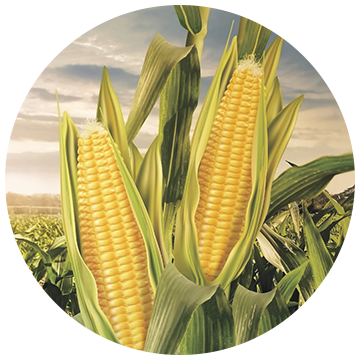
+13.1 bu/ac
Corn Yield Increase
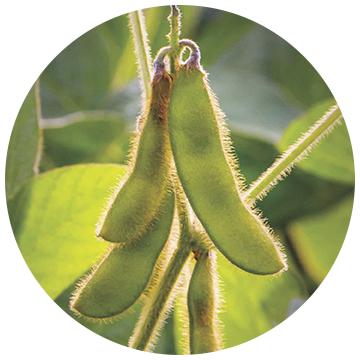
+8.8 bu/ac
Soybean Yield Increase
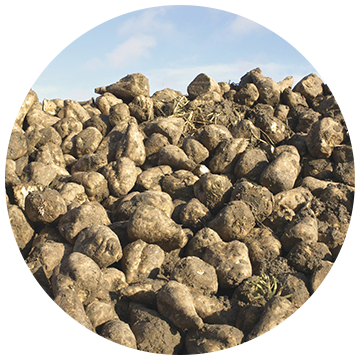
+7.1 t/ac
Sugar Beet Increase
Frequently Asked Questions
Is Nutriplant® AG a fertilizer?
Nutriplant® AG is a supplemental liquid micronutrient product. It is designed to complement—not replace—a complete crop-fertility program.
How is Nutriplant® AG applied?
It is applied as a foliar spray at selected plant-growth stages. Follow the current product directions for crop-specific rate, timing, spray volume, and application requirements.
What is foliar feeding?
Foliar feeding involves applying nutrients to plant foliage. It provides a supplemental route for delivering certain nutrients in addition to normal root uptake.
What micronutrients are associated with Nutriplant® AG?
The supplied product materials specifically identify essential micronutrients including iron and molybdenum. Refer to the current product label for the complete guaranteed analysis.
When should Nutriplant® AG be applied?
Timing depends on the crop and production program. The product is generally positioned for foliar treatment during critical stages of plant development.
Can Nutriplant® AG replace my regular fertilizer?
No. It should not replace the operation's normal nitrogen, phosphorus, potassium, or soil-fertility program unless a qualified agronomic plan specifically directs otherwise.
Can Nutriplant® AG correct a nutrient deficiency?
It may supply micronutrients as part of a nutritional program, but growers should first identify the cause of the observed problem. Soil testing, tissue testing, and professional agronomic guidance may be needed.
Can Nutriplant® AG be mixed with crop-protection products?
Only when the products are compatible and their directions permit the combination. Review all product instructions and conduct a compatibility test when appropriate.
Can APSA-80® be used with Nutriplant® AG?
They have been used together in supplied agricultural research and field programs. However, compatibility and permitted use should be confirmed using current product directions before preparing the tank mix.
Will Nutriplant® AG increase crop yield?
Nutriplant® AG supplies supplemental micronutrients, but no specific yield increase can be guaranteed. Yield depends on genetics, soil fertility, moisture, weather, pest pressure, application practices, and many other factors.
Can Nutriplant® AG be used during drought or heat stress?
Micronutrient nutrition may be one part of a crop-management strategy, but Nutriplant® AG does not replace adequate irrigation or eliminate heat and drought stress. Avoid making foliar applications under conditions likely to increase crop injury or reduce spray uptake.
Is Nutriplant® AG only for large farms?
No. The supplied materials list multiple container sizes suitable for different acreage needs, including 2.5-gallon containers, 30-gallon drums, and 260-gallon totes.
What return can Nutriplant® AG provide?
Nutriplant® AG's potential return comes from improving marketable crop production relative to its per-acre treatment cost. Actual performance will vary with the crop, soil conditions, nutrient status, application timing, weather, irrigation, product rate, and overall management program.
Do the potato-trial results guarantee my farm's performance?
No. The $8.60 return per dollar invested belongs to the combined APSA-80® + Nutriplant® AG potato program from a specific Colorado trial. Results should not be presented as an independently established Nutriplant® AG-only return. Always consult the manufacturer and a qualified agronomist before developing an application program.
Disclaimer & Manufacturer Guidance
Nutriplant® AG is a supplemental micronutrient product and is not a replacement for a complete fertility, irrigation, or crop-protection program. Always read and follow the current product label or directions. Confirm crop suitability, application rates, timing, tank-mix compatibility, and applicable state requirements before use.
Research and field results can vary and do not guarantee a particular yield, water savings, crop-quality improvement, or financial return. The $8.60 return per dollar invested belongs to the combined APSA-80® + Nutriplant® AG potato program from a specific Colorado trial and should not be presented as an independently established Nutriplant® AG-only return.
Always consult the manufacturer and a qualified agronomist, crop adviser, or applicable agricultural authority when developing an application program.
Find Out What Nutriplant® AG Could Cost—and Potentially Return—Per Acre
Request product pricing, a cost-per-acre estimate, and a side-by-side field-demonstration plan based on your crop, acreage, fertility program, and application schedule.